Human Activities within MPAs of the North Sea
At the end of my Msc study I did an internship at the North Sea Foundation. During this internship I basically analyzed the intensity of human activities within Marine Protected Areas (MPAs) of the North Sea. Although this sounds ‘easy’, the detailed story is quite complex. To do the analysis properly we first have to know what an MPA is and to by what policies and conditions these MPAs are installed.
Therefore, I dived deeper into the main national- and international policies to have a broad understanding of the current situations. For my own understanding I created an overview as you can see here:

Now we have a broad understanding which nature protecting policies are important at the North Sea, we zoomed in on the MPAs themselves and the intensity of human activities within these areas. The areas are shown on the map below.
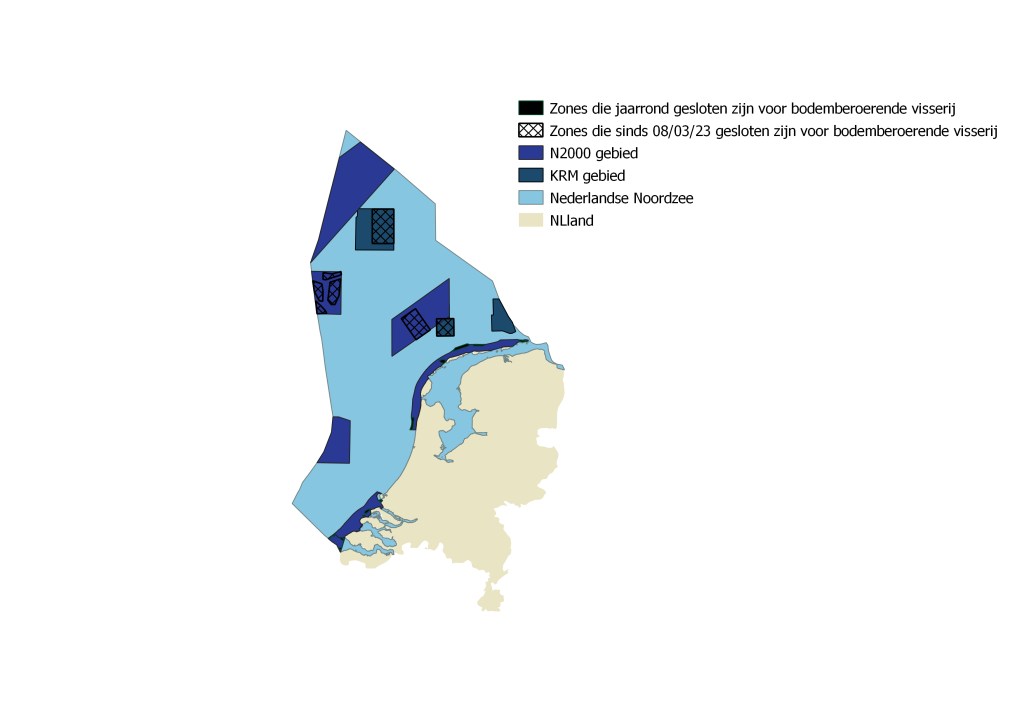
For each of these areas we analyzed the intensity of the main activities, which are: fisheries, shipping, sand & shell extraction, cables, pipelines, oil- & gasplatforms and military usage. Each of these activities are executed within the protected areas in different intensities, which makes the final results very complex.
To overcome this complexity we tried to reduce the quantitative outcomes into percentages per area. Each of these results, together with the complete analysis of each MPA are depicted in one poster, as shown below. The two main conclusions as shown in this (Dutch) poster, are (1) that the intensity of bottom trawling is two times more within protected areas than outside of these areas; and (2) since the introduction of the new fishery measures of 8 march 2023, the amount of fishing-activity is reduced with 78.5%.
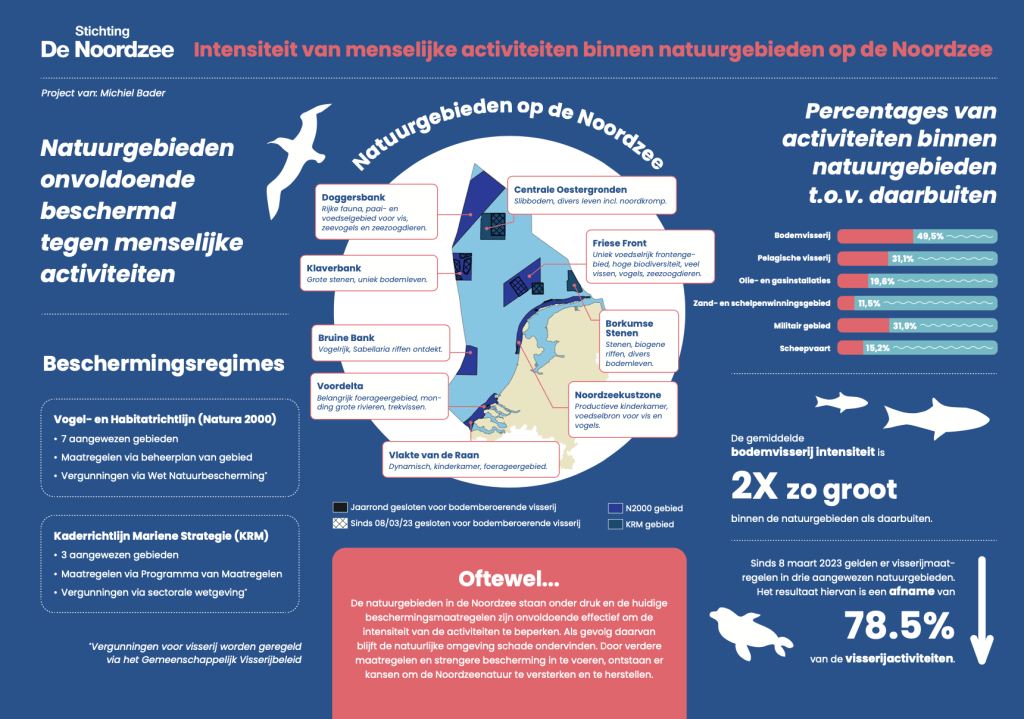
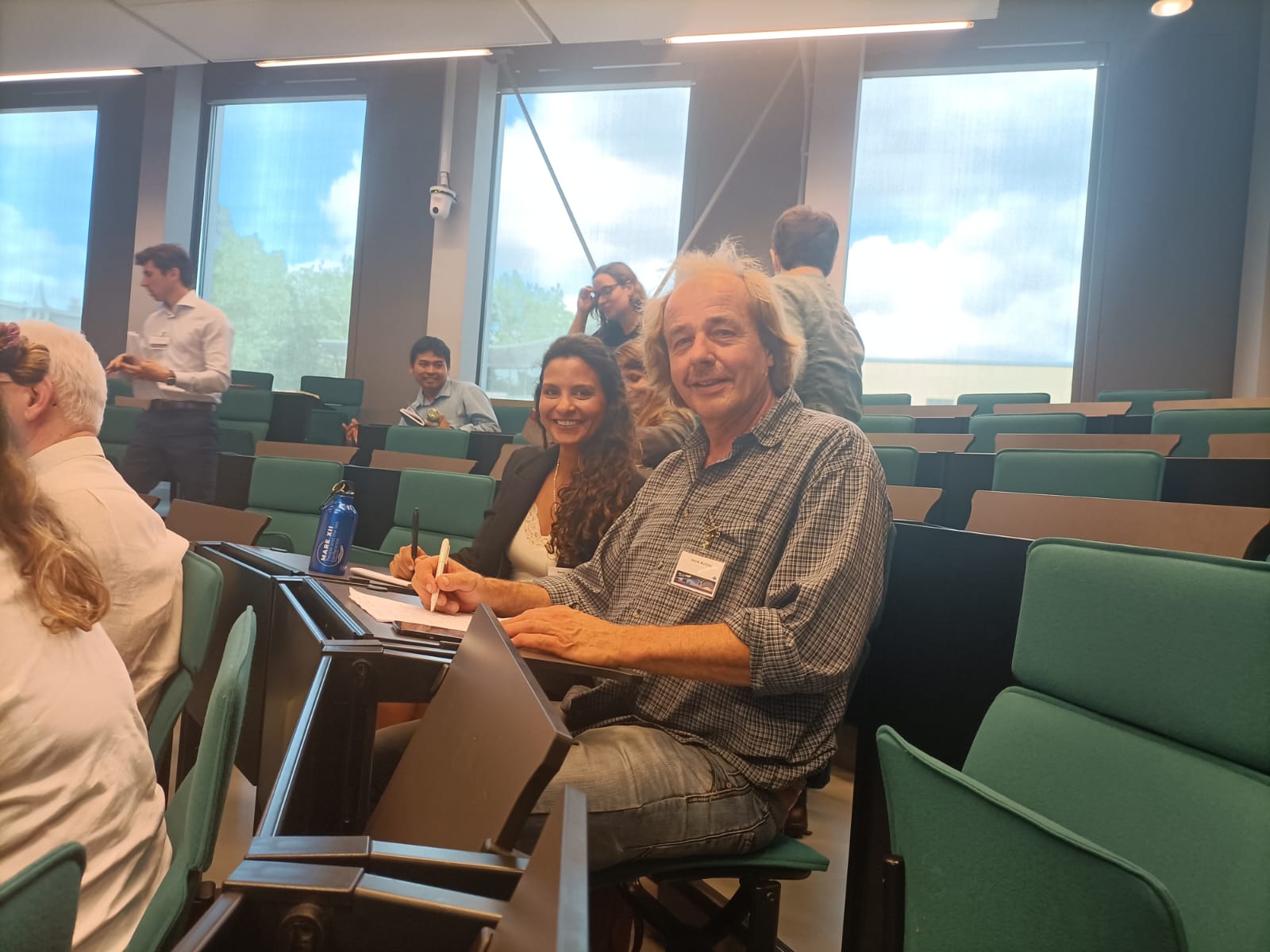
Due to these conclusions, I personally think that the ‘real’ level of protection of these MPAs should be continuously discussed and revised. This internship at the North Sea Foundation was a super interesting and learn full experience and I have definitely broaden my knowledge on the existing nature-protecting policies in the Netherlands and the EU. Besides this, I went to multiple stakeholder events and the congress MARE2023, to listen to and learn from varying interesting and inspiring people within the field of governing the marine.
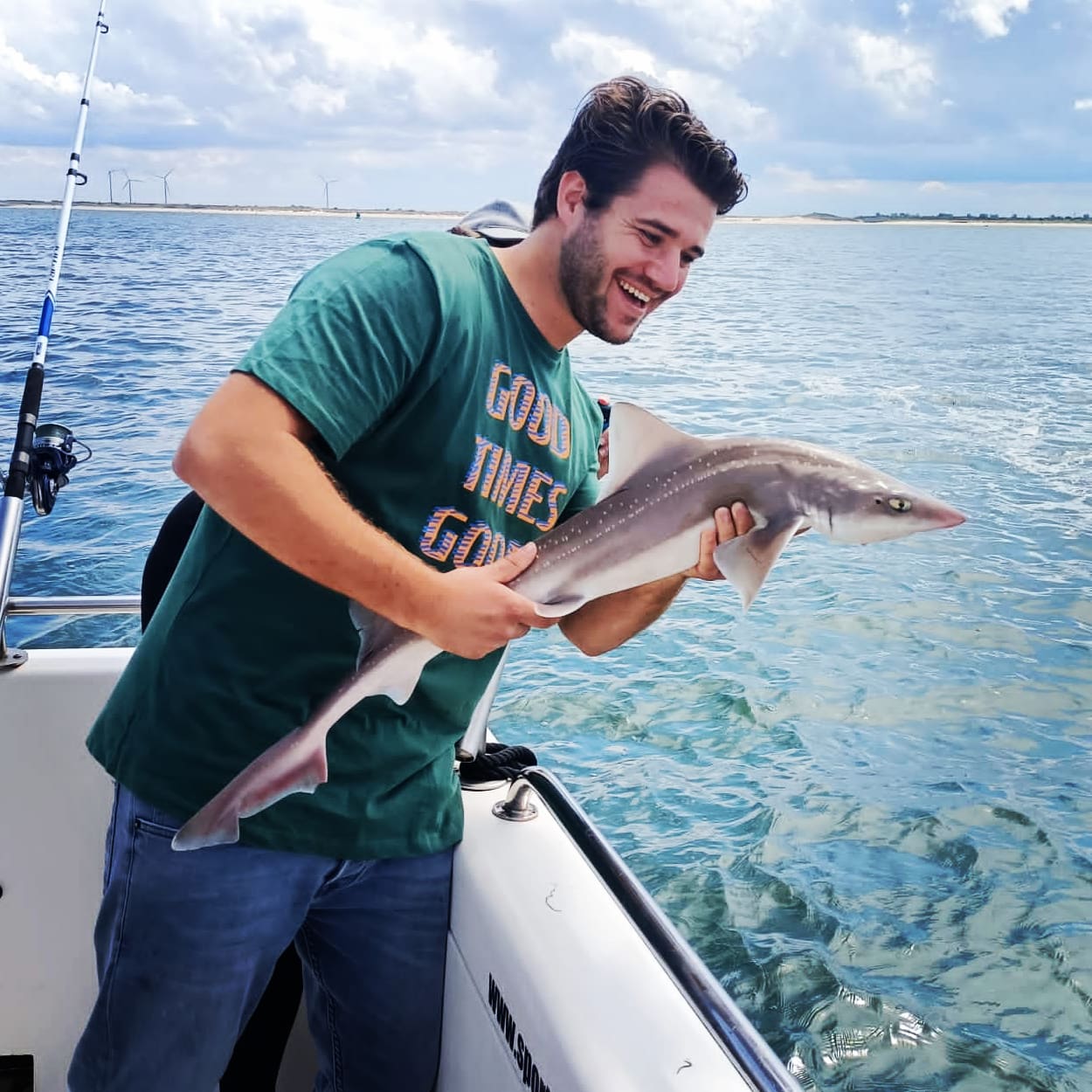
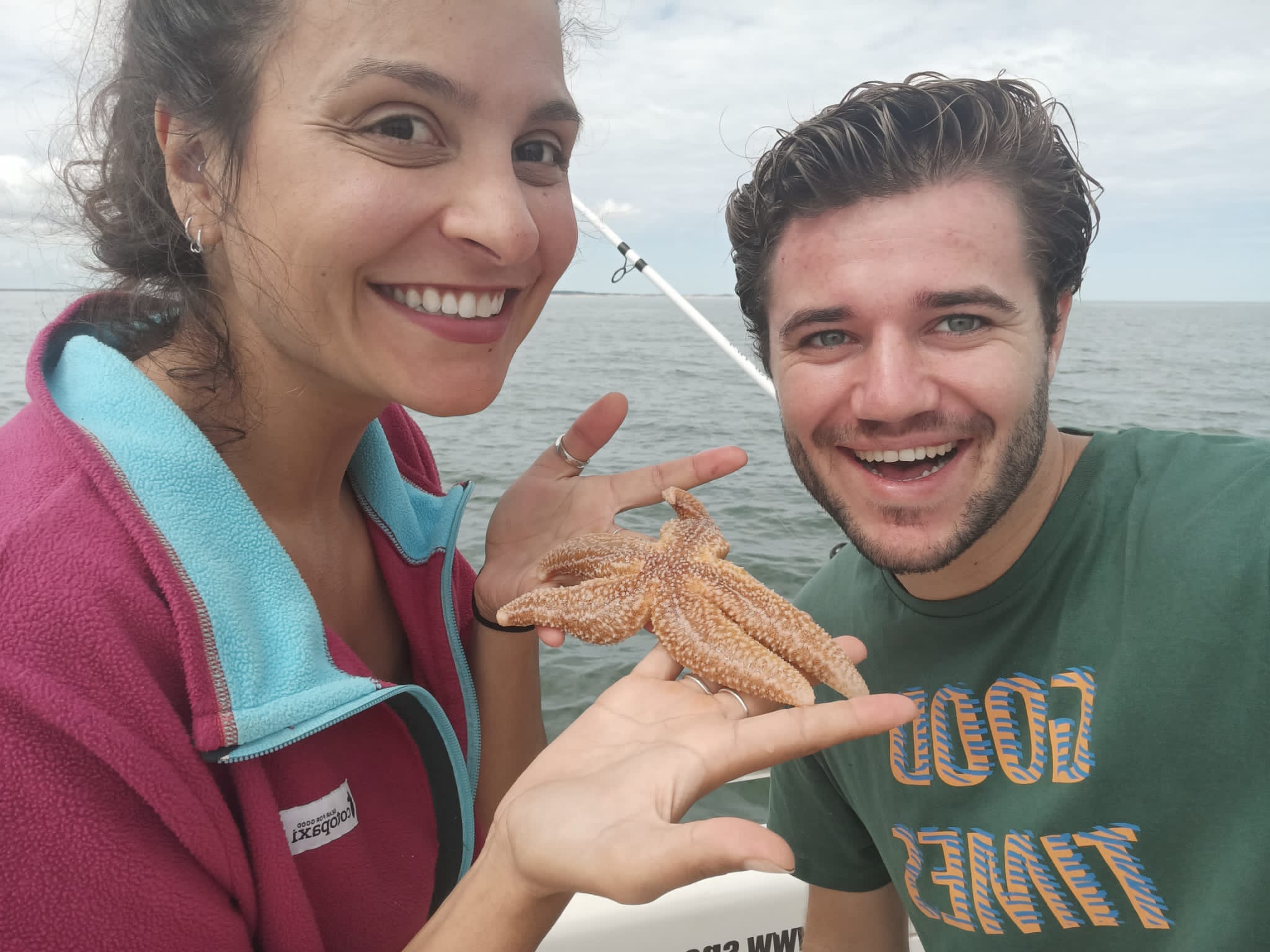
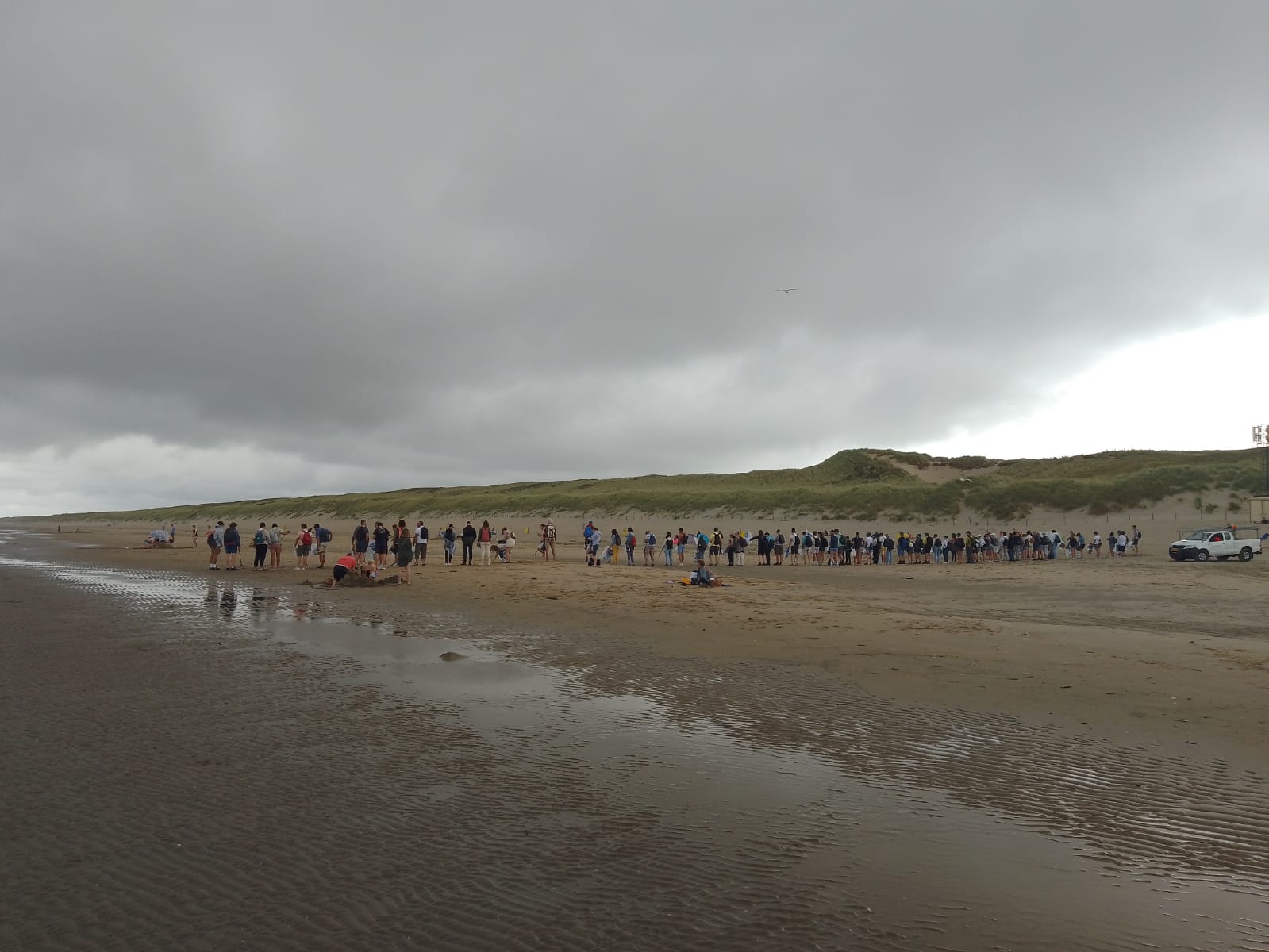
The images below give a broad picture of the internship period:



 Michiel Bader